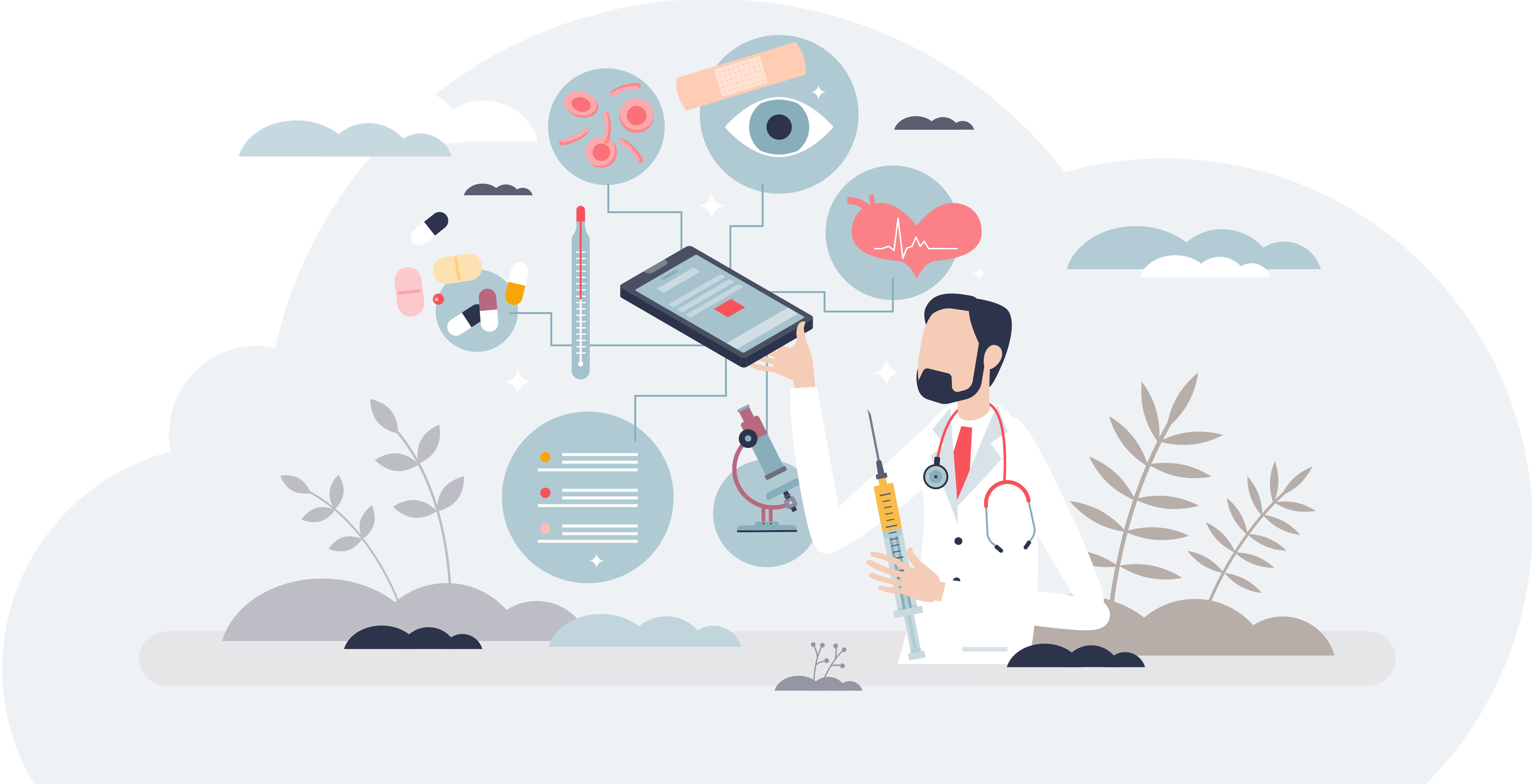
Welcome to USA Health API Management!
Here you will find our APIs and documentation for them.
Here you will find our APIs and documentation for them.

APIs are used to improve interoperability between healthcare systems and applications
Improve the efficiency and effectiveness of the healthcare delivery process
To provide data analytics and insights that can help providers improve the quality of care
The Information Technology (IT) Department of USA Health System is responsible for providing the technology infrastructure and services that support the delivery of healthcare to patients and families across the USA Health System. The IT Department has a team of over 500 employees who are dedicated to providing innovative, reliable, and secure technology solutions that meet the needs of USA Health System's patients, staff, and physicians.
The IT Department's work is divided into four main areas:
Information Security: The Information Security division is responsible for protecting the confidentiality, integrity, and availability of USA Health System's information assets.
Network and Telecommunications: The Network and Telecommunications division is responsible for the design, implementation, and maintenance of USA Health System's network and telecommunications infrastructure.
Application Development and Support: The Application Development and Support division is responsible for the development and support of USA Health System's applications, such as the EHR system, patient portal, and employee intranet.
The IT Department is committed to providing the highest level of service to USA Health System's patients, staff, and physicians. The Department is constantly innovating and looking for new ways to use technology to improve the delivery of healthcare.
Here are some of the key initiatives that the IT Department is working on:
Implementing a new electronic health record system that will improve the quality of care and the efficiency of the healthcare delivery process.
Developing a new patient portal that will give patients more control over their healthcare information and care.
Expanding the use of Telehealth to provide care to patients in rural and underserved areas.
Securing USA Health System's information assets from cyberattacks.
Developing new applications that will improve the efficiency and effectiveness of the healthcare delivery process.
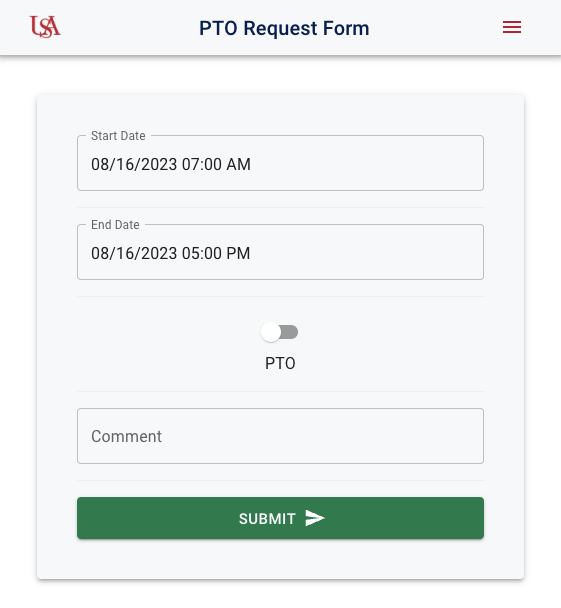
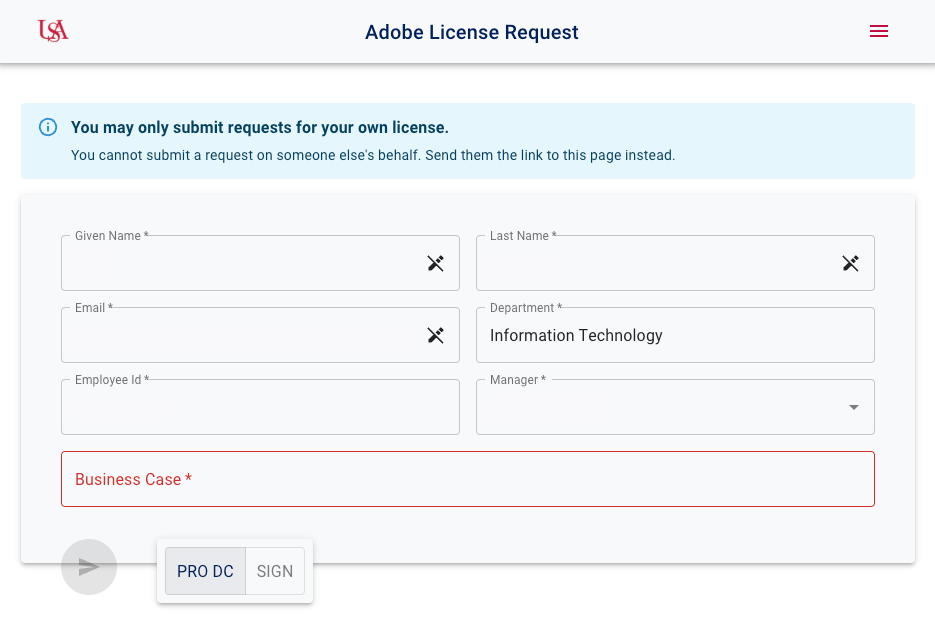
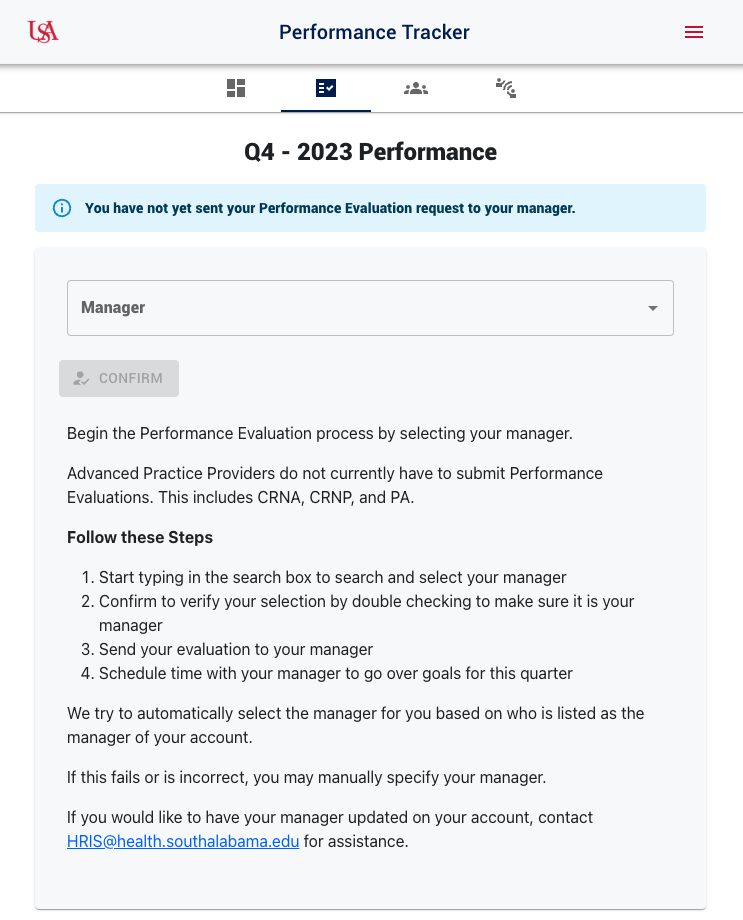
Multiple sets of APIs that helps measure and track the performance of employees
The URL of the API endpoint is the address of the resource you want to create or update. The data you want to send to the server is the data that you want to create or update the resource with. The content type of the data tells the server how to interpret the data.
For example, if you are creating a user account, you might send the following data in your POST request:
POST /api/transactions

{
    "id": "16833741-33a0-437c-9c82-368bed96b7f6",
    "from": "562b5682-7861-49ac-ad60-074fe12ddac2",
    "to": "7d334e64-d0d3-4941-be6c-f59facf781d6",
    "subject": Welcome to USA Health,
    "body": Good morning, this is just an example...
}
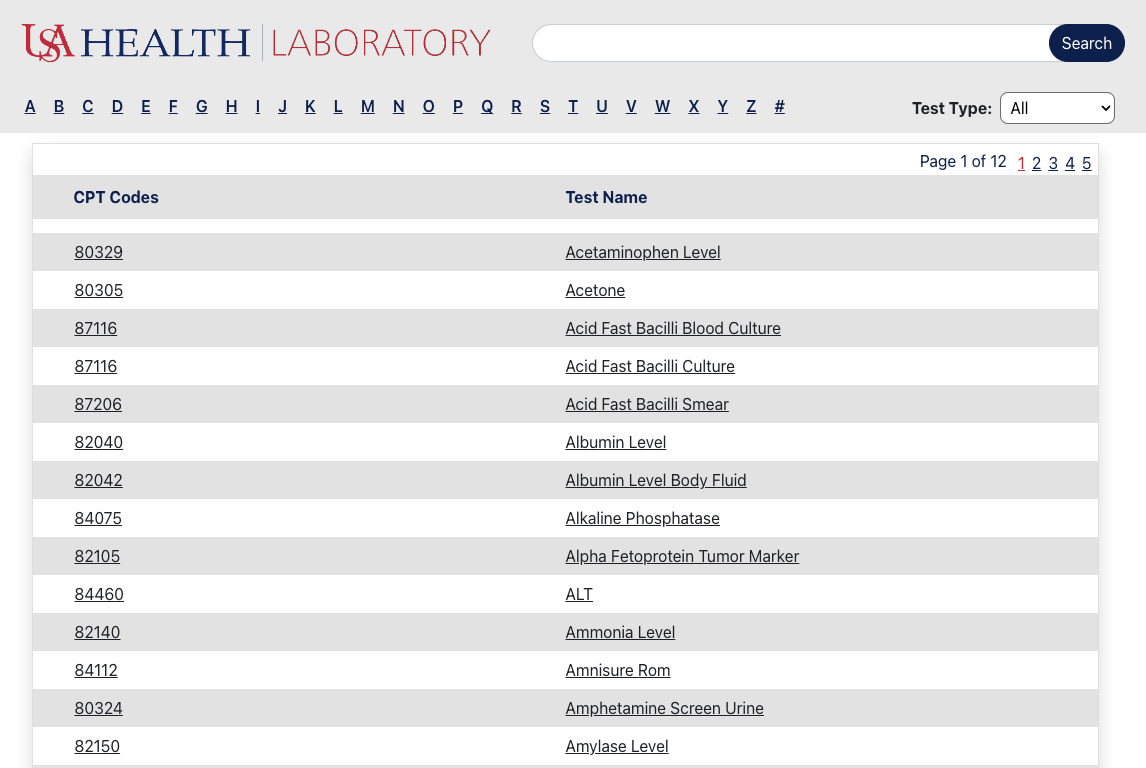
USA Health outreach lab catalog of tests that the hospital system offers.
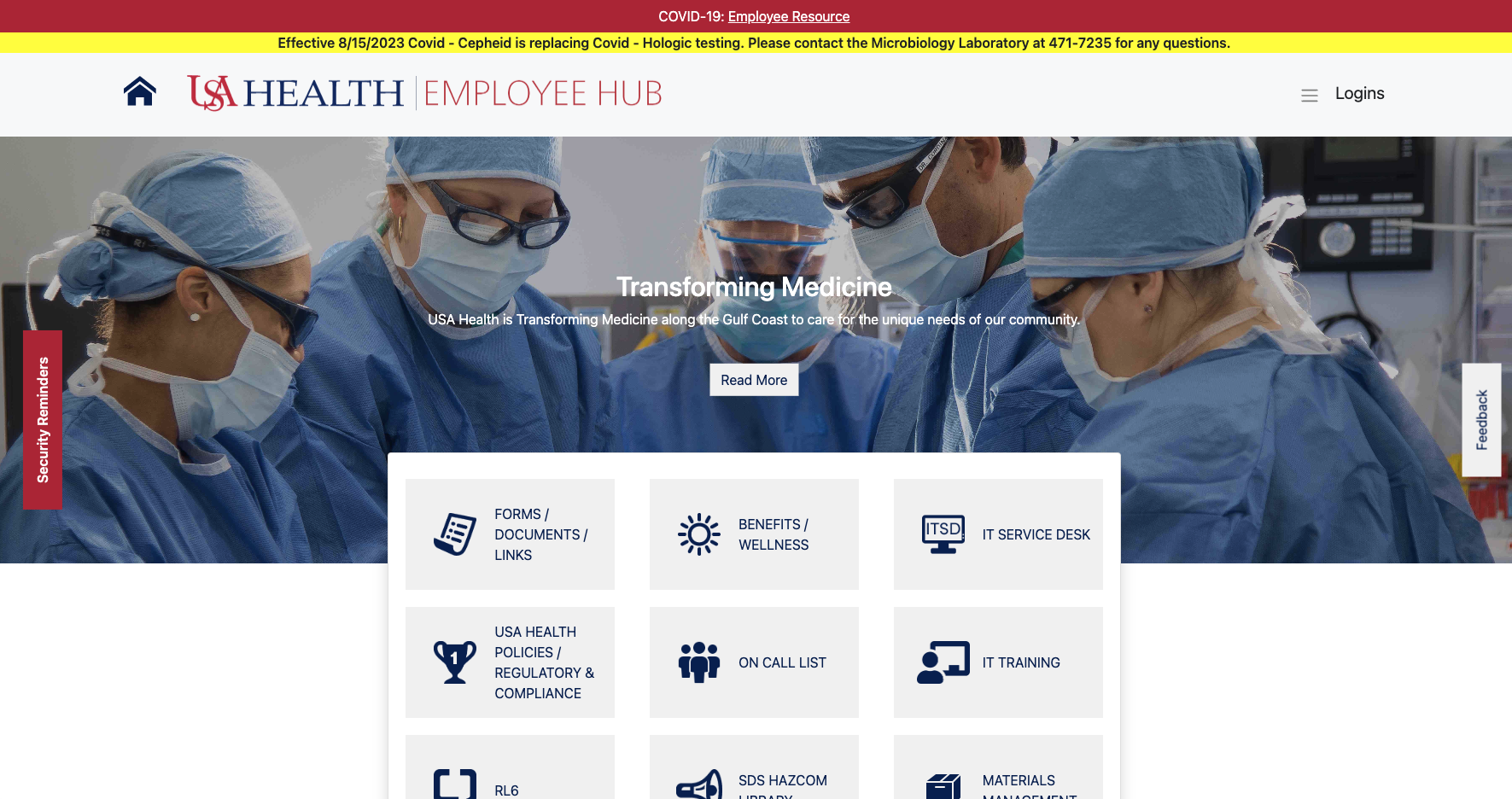
A tool that can help to improve communication, knowledge management, training, administration, and employee engagement
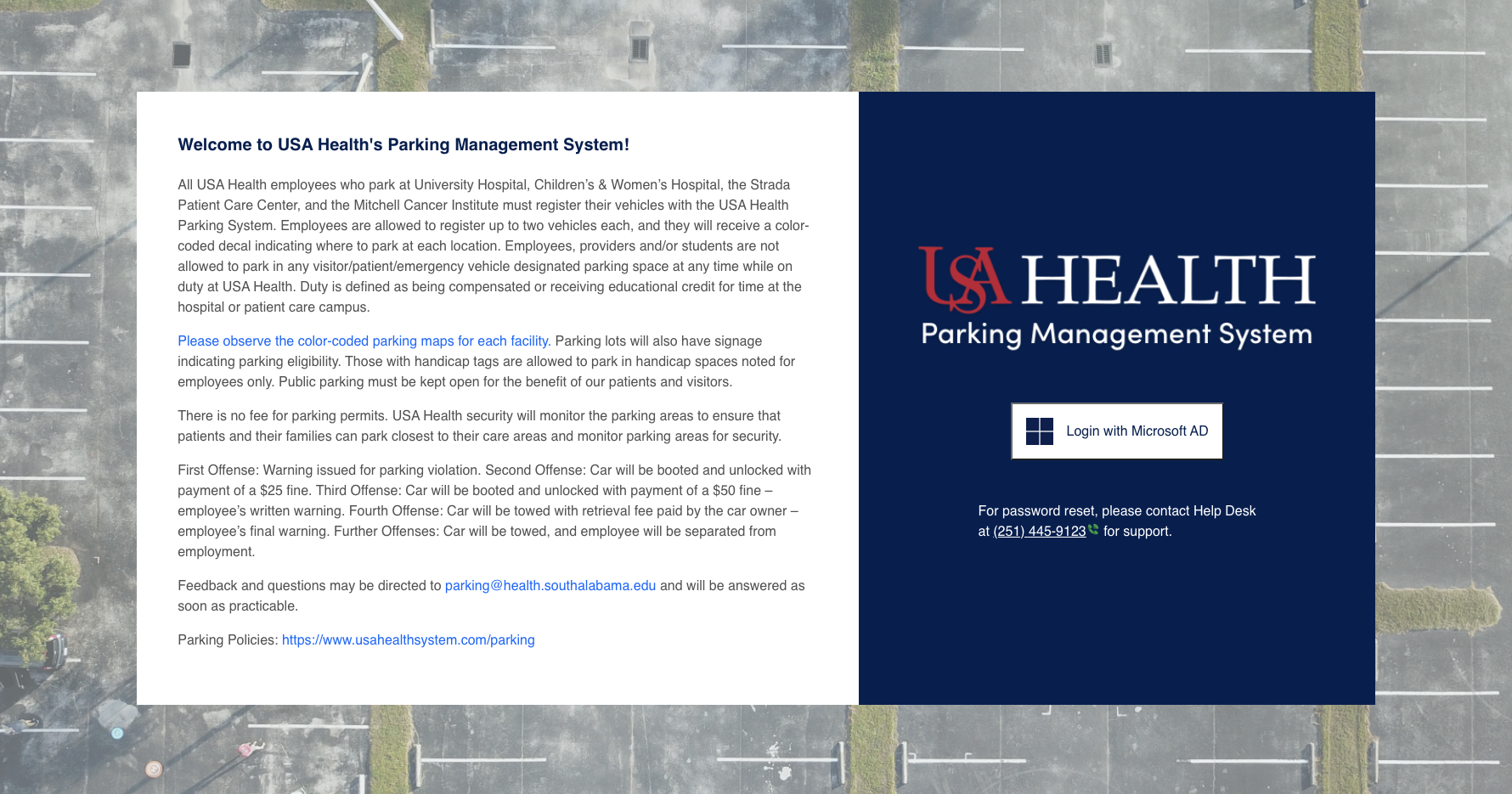
A tool for security team to management employee parking for USAH facilities
The IT department's software applications help the health system in a variety of ways, including:
Improving the quality of care: IT applications can help to improve the quality of care by providing healthcare providers with access to a patient's complete medical history, including test results, medications, and allergies. This information can help providers to make better decisions about patient care.
Enhancing patient safety: IT applications can help to enhance patient safety by reducing the risk of medication errors and by improving the communication between healthcare providers. For example, an electronic health record (EHR) system can flag potential drug interactions and send alerts to providers when a patient's condition changes.
Efficiently managing resources: IT applications can help to efficiently manage resources by automating tasks such as scheduling appointments, billing patients, and ordering supplies. This can free up healthcare providers to focus on patient care.
Providing access to care: IT applications can help to provide access to care by making it easier for patients to schedule appointments, communicate with their providers, and access their medical records. This can be especially important for patients in rural areas or those who have difficulty traveling to healthcare facilities.
Reducing costs: IT applications can help to reduce costs by streamlining processes, eliminating paperwork, and improving efficiency. This can free up money that can be used to provide better care to patients.
Overall, the IT department's software applications play an essential role in the delivery of healthcare. By improving the quality of care, enhancing patient safety, efficiently managing resources, providing access to care, and reducing costs, IT applications are helping to make the health system better for everyone.
Powered by Azure API Management.